A Pantry Shelf That Works for Pet Food
Arrange a single shelf so that food stays identifiable and everyone can serve a meal without digging through the cupboard.
8 min read
Picture the moment you actually use the shelf. One hand is holding a bowl, the bag is tucked behind a stack of tins, and a dog is standing exactly where you need to put your foot. A storage system that looks tidy in a photo can be awkward under these conditions. Arrange the space around one ordinary serving rather than the largest haul you could get home from the shop. If you can open the cupboard, identify the correct package, fill the bowl and put everything away while staying in the same small area, the shelf is doing its job.
Choose a location at the point of use
Walk from your pet's bowl to the place where you usually measure food. Check how many times you have to turn, bend or set the bowl down. A chest-high shelf may make a small pouch easy to reach, while lifting a heavy dry food bag down from that height is a different matter. Think about handling a full package as well as a nearly empty one. A broad shelf at waist height with a short clear path to a worktop often beats a deep floor-level cupboard where the front objects have to come out first.
Once you have a convenient spot, check the surroundings. Dry food belongs in a cool, dry place according to the package directions. A cupboard beside a hot appliance or underneath a sink with a history of leaks is a poor trade for two fewer steps. Keep pet food away from household cleaners. Make sure a nosy pet cannot nose the door open or gnaw a bag within reach. A loose fabric shopping bag on the floor gives a determined animal a much easier target than a closed cabinet.
The test is different in a small flat with little built-in storage. If the only cool cupboard is across the room, consider keeping the food there and putting the bowls and measuring equipment together near the usual work surface. You can carry a single sealed package to the counter and return it immediately. This still leaves the feeding equipment ready for use without creating a second open food station beside the water bowl.
Give the packaging enough room
Start with the real bag dimensions. A half-empty bag folds neatly, which can make a bin appear bigger than it is. Take the unopened dimensions or measure a new bag before buying a container. Check the opening as well as the inside. A flared body is little help if the folded top catches at the lip. When the bin is used, the original bag can sit inside it. The packaging still carries the exact product name, date and lot number if you need to identify a particular batch.
Try arranging the bags so the front and top of the current one are visible. A slim bin turned sideways can hide all the labels even though its lid opens easily. If packages have nearly identical artwork, make the distinction readable from where you stand. A removable label on the shelf that says "Moss's dinner" can be faster to see than a small recipe line printed on a fold. Keep the original label as the source of truth. Move the shelf label if the package moves, especially in a household where two people restock the cupboard.
A reserve bag belongs in a separate position from the bag you are using. That position can be as simple as the left end of a shelf, provided both people who serve meals know which package is active. When the current one is empty, clean and dry the storage container before using it for the replacement. Avoid pouring the last of one batch into the next. A loose handful at the bottom saves little time and makes it harder to tell which lot is in the bowl.
Arrange wet food around the fridge
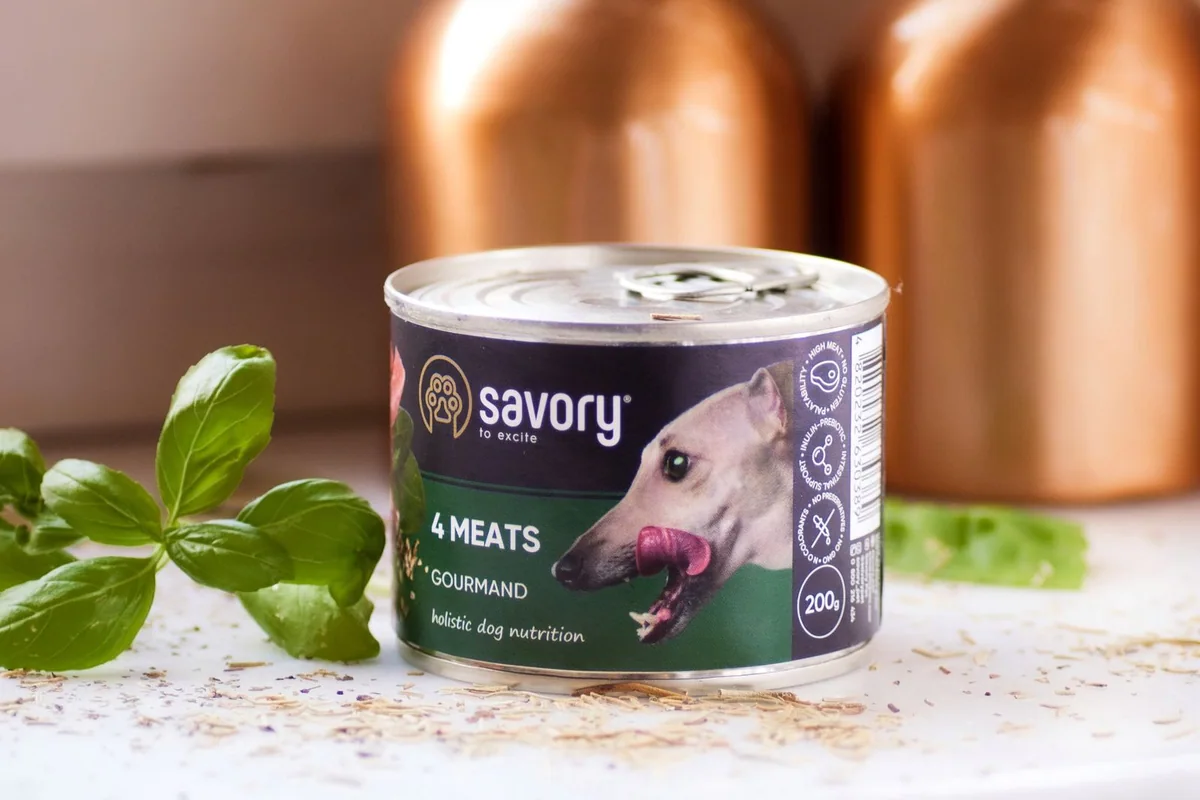
Unopened shelf-stable tins and pouches can be grouped by recipe on the dry shelf while following their storage directions. Leave enough space to slide the front tin out without knocking the other ones down. A shallow, washable tray can mark the current row. Rotate new packages to the back after checking their dates. For products with different package sizes, put the small ones in a visible lane so a stack of larger tins does not conceal them.
Once a wet package is open, follow its label and refrigerate leftovers promptly when refrigeration is required. The FDA's pet food storage guidance advises promptly refrigerating or throwing away unused or leftover canned and pouched food and keeping the refrigerator at 40°F or below. Mark the opening date where it is visible before somebody has to pry off the lid. A dedicated washable tray in the fridge keeps these containers together and makes it clear which one should be used first. It also separates the pet's food from jars and lunch boxes that people keep reaching for.
Read the label before deciding how many tins to buy. When the pet regularly uses only part of a package, the open package has to fit the real feeding schedule and the storage instructions. The largest tin may take up a little less cupboard space for the amount of food it holds, but a smaller one might be easier to use completely within the stated period. Compare these options using a normal week at home, including the days a different person feeds.
Make the shelf understandable at a glance
Lay out the contents in the order they are used. The usual meal goes first, then the marked measure if you use one, then any reserved food farther back. A washable hook or small tray near the shelf can hold a clean, dry scoop. Placing it there instead of on top of the bag keeps it from slipping behind the bin each time the cupboard closes. If there are two scoops, choose colors with strong contrast and label the handles so the distinction is visible in poor light.
Run a quiet practice meal with someone who has never prepared one. Ask them to point to the food for each pet and find the right serving tool using the cupboard alone. If they open a sealed bag when an identical bag is already open, change the positions rather than explaining the same thing more loudly. If they grab the treat tub because it is closer than the food, move it onto another shelf or put it in its own clearly marked lane. Watch for the pause where the next step is unclear. That is the part to fix.
For one pet, a note can be as short as "use open bag on left." In a shared household it may need to distinguish a cat's food from a dog's, or a regular recipe from one a veterinary team has asked you to use. Keep the instruction in the same place every day. When the setup changes, make the updated version the only one visible. If everyone has to decide whether the whiteboard or the note taped to the door is newer, mistakes are likely.
Make cleaning fit the routine
Choose a shelf liner or tray you can remove and wash without emptying the whole cupboard. Pay attention to corners. A narrow gap beside the container collects crumbs, and a bin pushed tight against the back wall can leave a stripe of residue that is hard to reach. Leave a hand's width where it matters or use a tray that slides forward in one piece. The goal is for a small spill to take seconds to handle while the meal is being prepared.
Wash bowls and utensils and let them dry before putting them away. Keep an easy route between the cupboard, the work surface and the sink so dirty items do not have to cross the open bag. A spare clean bowl is handy when the first one is still drying. If the kitchen is shared, put the spare beside the other clean bowls rather than stacking it under something used for unrelated food preparation. Every object should have a position where putting it away is as easy as leaving it on the counter.
The day you open a replacement bag gives you a natural point to look over the storage setup. Wipe the shelf, check for damaged packages, and clear any accessories that have migrated into the feeding lane. A scoop that has lost its label, a bin lid that no longer closes, or a pouch found long after its date signals a small adjustment. Fix it while the cabinet is open and empty enough to reach.
Recheck the path with a full shelf
Do a final walk-through after shopping, when the setup is under the most strain. Put the new reserve where it belongs, open the active bag, and measure an ordinary meal. If you need to move unopened packages each time, the shelf is trying to store more than it can comfortably hold. Limit the amount you buy at once or give the reserve its own dry location with a note in the feeding cupboard so nobody orders a duplicate.
A workable shelf has room to close a bag properly, reach the package information and wipe up a handful of crumbs. It also works late in the day with an impatient pet at your feet. When both the open and spare packages fit and you can find the right one without pulling everything out, you have room for the part that matters: preparing the meal and getting on with the evening.