How to Decide When Pet Gear Is Worth Repairing
Sort damaged equipment by its job, then choose a maker approved repair, a replaceable part or retirement.
7 min read
A blanket with a loose edge and a leash with a damaged seam can both look like five minutes of sewing. They deserve different decisions. One job might be restoring a surface that keeps a chair clean. The other involves equipment that has to remain secure under load. Start by naming what would happen if the damaged part failed while you were using it. This tells you whether to clean and repair a simple household item, ask its maker about a replacement part, or remove the item from service.
Set the damaged item aside first
Move it somewhere that will not be mistaken for the working supply. In a house where several people walk a dog, putting a damaged item on the nearest hook is almost an invitation to grab it later. A separate box with a visible note is enough to keep it out of the next outing. If a pet is likely to pull loose filling, sharp parts or thread from the item, keep it entirely out of reach. A quick separation lets you examine it without making the decision under pressure.
Photograph the item in good light before trying to open or clean it. Include the whole object, the damaged part and any product identification you can find. Turn a fabric piece over and see whether the issue is isolated to the surface. Check for other signs of wear nearby. A small tear at the edge of an old cover may sit beside three thinning areas that are about to split. Finding those now can save you from repeating the same work in another place next week.
Think about how it happened. A bed cover torn at the same corner twice may be snagging a bracket. A loose buckle could be the result of a fitting used beyond its intended limits. An item that became misshapen after washing may have been dried in a way the care label excludes. The cause affects the next purchase or installation even when the current item has to go. Write it down if the gear will be out of sight while you look for instructions.
Make a category based on what failure would do
A replaceable fabric cover, a simple blanket and a washable carrier liner generally have surface jobs. A repair may be possible if it restores a smooth, intact item without adding loose material, irritating contact points or parts the animal could swallow. Inspect the fabric beyond the visible tear and check the maker's care information. If the animal repeatedly chews or pulls at that material, reconsider whether the item is suitable in the first place. A repaired seam will still be exposed to the behavior that damaged the original.
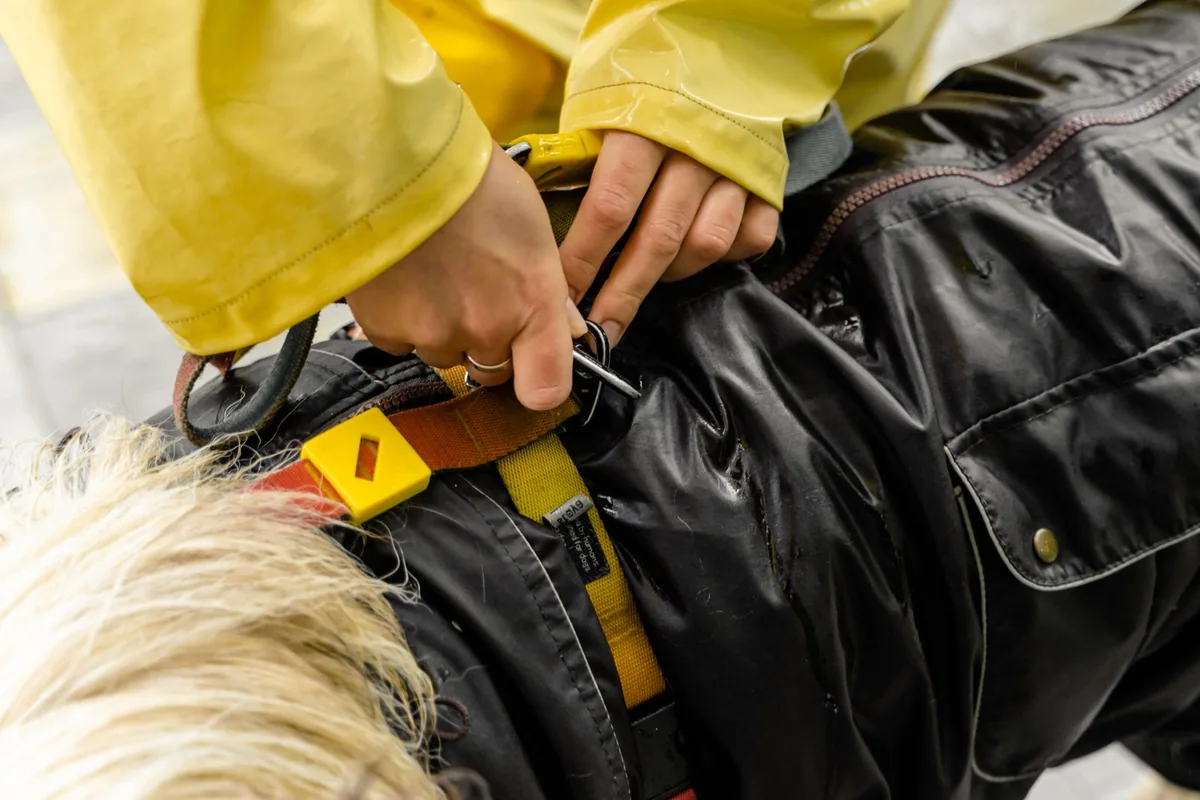
A leash, harness, carrier body or fastening used to keep an animal secure has a different job. Keep damaged equipment out of use. Ask the manufacturer whether an approved replacement part or authorized repair exists for the specific model. Do not assume that an ordinary stitch, adhesive, cable tie or similar-looking clip restores the item's performance. In a setting where it must contain a pet, failure may let the animal escape. Use an appropriate sound alternative while you wait for an answer.
Some items have both kinds of parts. A carrier may come with a loose fabric pad and a locking door. Replacing the pad with an approved compatible part can be a straightforward job, whereas a damaged door needs the manufacturer's direction. A bed frame may support the animal's weight even though the mattress cover is decorative. Look at the role of the particular component and what it contacts. The fact that the whole item is called a bed or bag does not tell you whether a particular attachment is carrying load.
Find the right version before buying a part
Locate the model or size on the label, manual or order record. Photograph the label and compare it with the information a seller asks for. Products that keep the same name may have more than one generation. Measure only when the manufacturer says the dimension identifies the part, and ask about compatibility if it is unclear. A picture showing two pieces side by side is a useful part of the inquiry, but a similar appearance is weak evidence that the replacement will fit and operate safely.
When contacting the manufacturer, state what the item is used for and describe the failure in observable terms. "The lower latch does not close and its hinge pin moves sideways" is clearer than "broken clasp." Ask whether the piece is available, who should fit it and what check is required before reuse. If there is an approved repair service, request an estimate and expected time. For gear that keeps an animal secure, use the instructions you receive and keep the item set aside if there is no approved way to restore it.
Save the response with the model information if the same item has more than one removable piece. This can help the next person distinguish a washable liner from a part that should be fitted only by an authorized service. If a retailer offers a universal accessory, see whether the maker of your equipment confirms it for the intended use. Waiting for clarification is less disruptive when the item is already taken out of rotation and you know which alternative is ready.
Compare the real costs of keeping the item
Put the cost of a part, delivery and any labor next to the cost of a suitable replacement. Add the time for washing or drying after the repair where relevant. A spare cover that costs modestly and arrives before the next laundry day may make sense. A poorly supported frame that already needs another part may be expensive to keep in service. Write both possible outcomes in plain terms so the decision does not depend on the amount originally spent.
Check whether the rest of the object still suits the way you use it. A travel item can be technically repairable yet the wrong size for the dog or too bulky for the trips you now take. A chair cover may be the right dimensions and easy to launder except for the one damaged seam. Consider how many times you will use the object once fixed. That can be more useful than comparing purchase prices from years apart.
Choose the smallest supported change that resolves the problem. If a manufacturer sells the exact replacement cover, you may be able to keep the undamaged insert. If a pet damaged one part because the equipment sat where it could chew it, changing the storage location might prevent a repeat. If no replacement is appropriate, retire the object. Check local options for recycling or disposal of the materials, and avoid passing damaged safety equipment to another household.
Use two items to test your decision
Imagine a removable pad with an intact core and a torn, separately sold cover. You can compare the cost and care instructions for the approved cover with the price of a whole new pad. While waiting, keep the damaged cover away from the pet and use another suitable resting surface. When the replacement arrives, compare the dimensions and fasteners to the maker's instructions before putting it into use. Here the rest of the equipment can stay because the surface part is replaceable and the support is sound.
Now consider a pet carrier with a broken latch on the door. Start with the maker's model information and an approved way to restore the secure closure. The fabric pad inside may be perfectly good, but it has no bearing on whether the door will stay closed. If no supported fix is available, use another appropriate carrier. These decisions can look different on the receipt even though both began with a small damaged part. The job of that part determines what counts as a sound result.
Check the result in its intended role
After an ordinary surface repair, inspect the side the animal contacts. Look for exposed thread, loose material, sharp edges or places that could snag a claw. Wash or clean it according to the maker's guidance where needed, and check how it sits once dry. Supervise the first ordinary use if the item has a history of being chewed. Remove it again if the pet can pick at the repair or if the material begins to open. A fix is only practical when it survives the way the animal actually uses the item.
For repaired or replacement equipment that has a securing role, follow the manufacturer's checks and installation process before use. Verify that every required component is present and that compatible pieces work together as directed. Ask for professional help if the equipment requires it. Where the instructions include a fit check, do it in a controlled space appropriate to the pet. Keep any written directions you need for future removal or cleaning.
Give working items a clear place when you finish. Mark the result on your purchase record if it helps you identify the exact replacement later. Remove packaging and retired parts from the area where somebody might accidentally fit them again. Then look at the object that was waiting on the table. You should know its job, which piece was damaged and why the chosen solution fits that job. Those three facts make the next repair decision easier, even when the answer is to let the item go.